AICA International congratulates Akuro Sinidar Enoh, Genevieve Lipinsky de Orlov, and Flávio Rocha de Deus, the winners of the 2026 Incentive Prize for Art Critics.
The prize encourages emerging art critics to explore topics and geographical regions that are not routinely covered in the media, develop new forms of critical expression, and share new ideas and writing internationally.
This year, AICA received 110 applications. We thank everyone who submitted their work and the jury for its time and expertise.
1st Prize: Akuro Sinidar Enoh
Essay: When Survival Becomes Aesthetic: Reimagining Contemporary Art Criticism through Cameroon and Beyond
Brief summary: This essay introduces survival aesthetics, a way of seeing creativity in how people respond to hardship and uncertainty. Using Cameroon as its main standpoint, it shows how repairing homes, reusing materials, rebuilding spaces, and working together can involve choices of form, memory, and meaning. It argues that art criticism often overlooks such creativity because it focuses on recognised art and institutions. The essay therefore calls for a wider view of art criticism, one that can recognise creativity in everyday life without romanticising suffering.
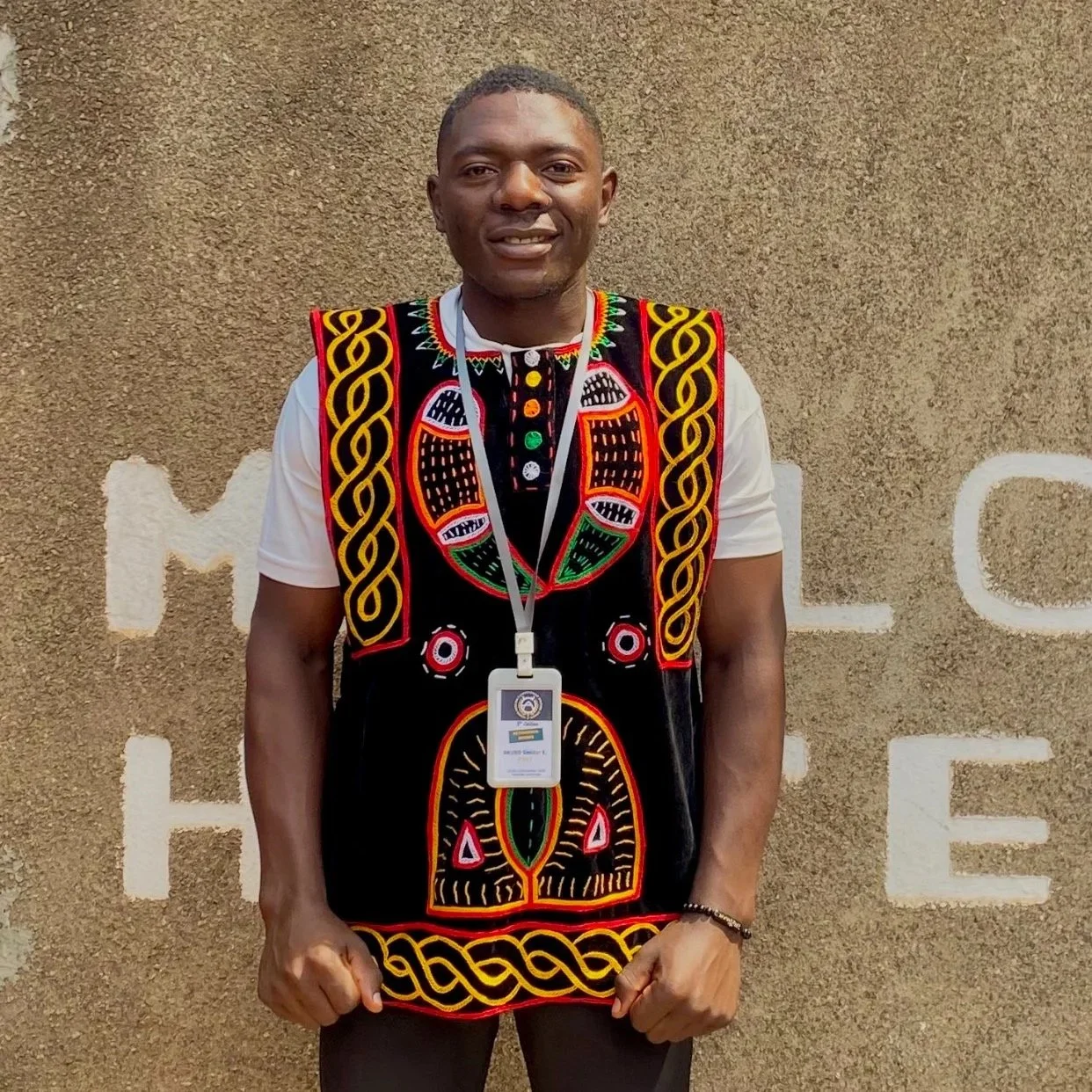
Akuro Sinidar Enoh (born 3 November 2003) is a young Cameroonian poet and writer from Ashong, Batibo Subdivision, Momo Division, North-West Region of Cameroon. He holds a degree in Community Psychology and a DIPES I in English Modern Letters from the University of Bamenda. His literary interests centre on human experience, resilience, identity and society. He is a recipient of the First Prize at the Young National Literary Concours, organised by Cameroon’s Ministry of Arts and Culture, for his poem Silent Before Send. He also took sixth position in the Young English Cameroonian Writers’ Award with Rhythms of Resilience. He is also a practitioner of martial arts and an emerging public speaker.
2nd Prize: Genevieve Lipinsky de Orlov
Brief summary: In the fall of 2025, KW Berlin opened Holly Herndon and Mat Dryhurst's exhibition "Starmirror," which showcased the duo's experiments producing art and music with AI technologies. The works on view—sound and sculptural installations—sought to democratize the notoriously proprietary technology, with the artists positioning their work in opposition to the platform economy and AI's corporate gatekeepers. In their review of the exhibition, Genevieve Lipinsky de Orlov argues that the artist's decision to mediate AI through Christian iconography and ritual functioned to further mysticize the technology rather than enlighten the public. Ultimately, Lipinsky de Orlov shows, the exhibition participated in the very structures it claimed to critique and ignored the urgent political, social, and environmental issues AI poses. Lipinsky de Orlov used the occasion to think about creativity and artistic production in the era of AI.
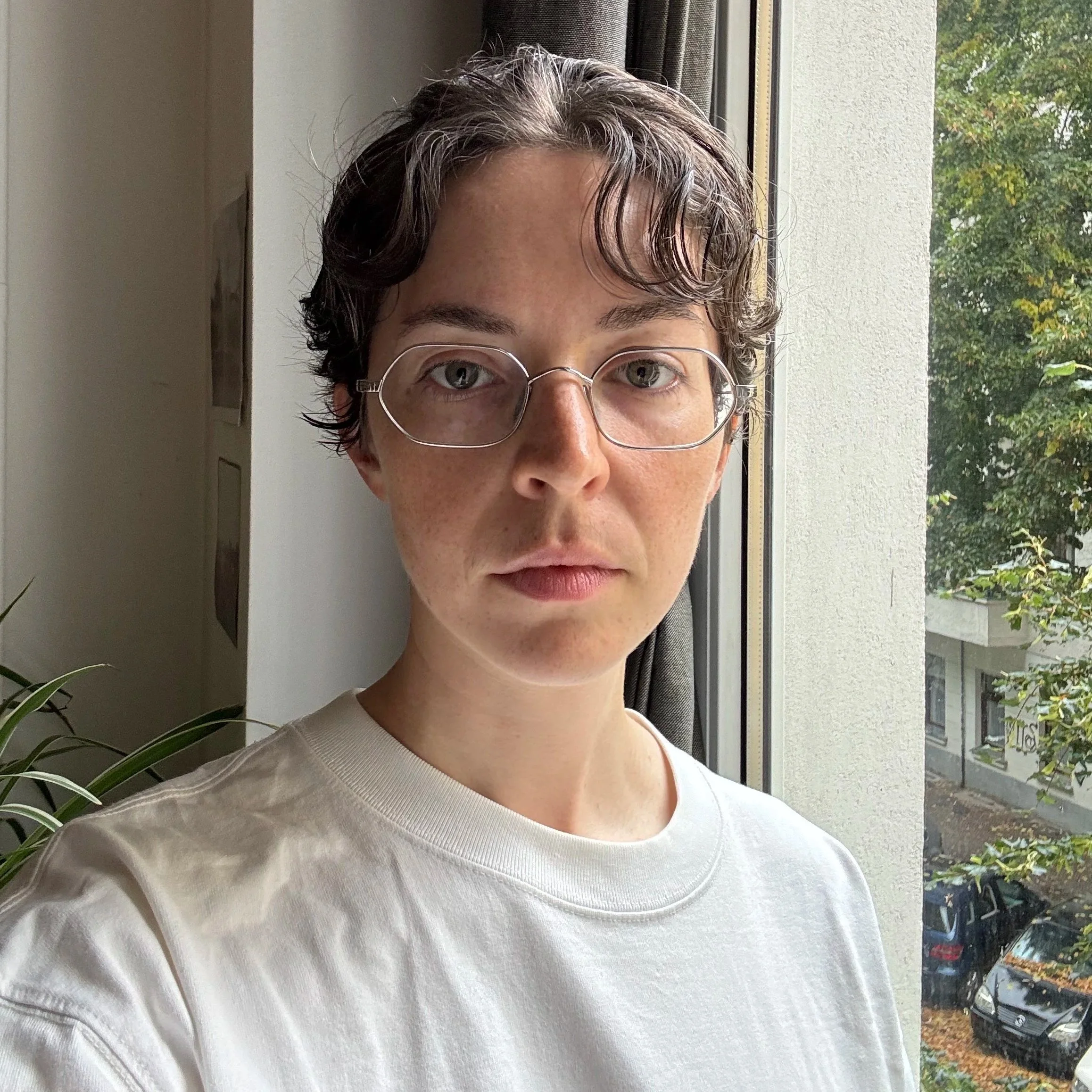
Genevieve Lipinsky de Orlov is an art historian, critic, and editor from the United States and the cofounder and editor of The Public Review, a publication for long-form art criticism. They are a PhD candidate in Art History & Criticism at the State University of New York at Stony Brook researching the political economy of contemporary art since 1960. Their scholarship and criticism are invested in examining the social, political, and economic infrastructures that shape artistic production, circulation, and reception.
3rd Prize: Flávio Rocha de Deus
Brief summary: This paper examines Bonaventure Soh Bejeng Ndikung’s curatorial project for the 36th São Paulo Biennial and its use of Édouard Glissant’s concept of the “right to opacity.” While recognizing the exhibition’s conceptual strength, it argues that its radicalism remains partial, as opacity is imposed on artists without being extended to the curator or the institution itself.
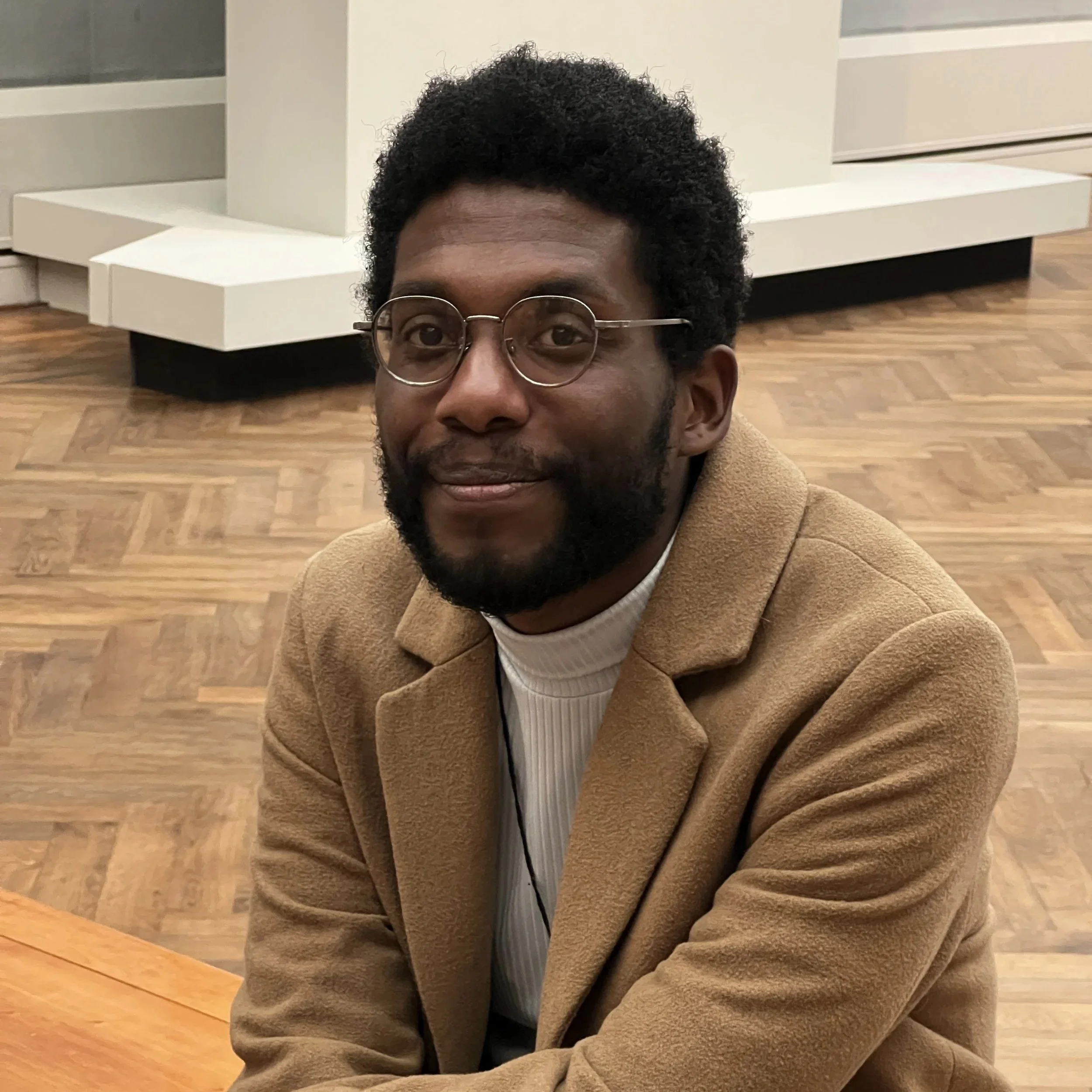
Flávio Rocha de Deus (Salvador, 1999) is a philosopher, professor and art critic based in Lençóis, in the Chapada Diamantina, Brazil. He is a PhD candidate in Aesthetics and Philosophy of Art at the Federal University of Ouro Preto (UFOP) and holds a Master’s degree in Contemporary Philosophy from the Federal University of Bahia (UFBA). He is a member of the Brazilian Association of Art Critics (ABCA) and the Brazilian Association of Aesthetics (ABRE), and Editor of Anãnsi, a journal of philosophy at the State University of Bahia.
Jury
The 2026 jury comprised:
Rui Cepeda, UK - Chair
Jean Bundy, USA
Allison Thompson, South Caribbean
Lara Kamhi, Turkey
Sandra Hitner, Brazil
Natali Pavleska, North Macedonia
Esra Yildiz, Turkey
Niilofur Farrukh, Pakistan