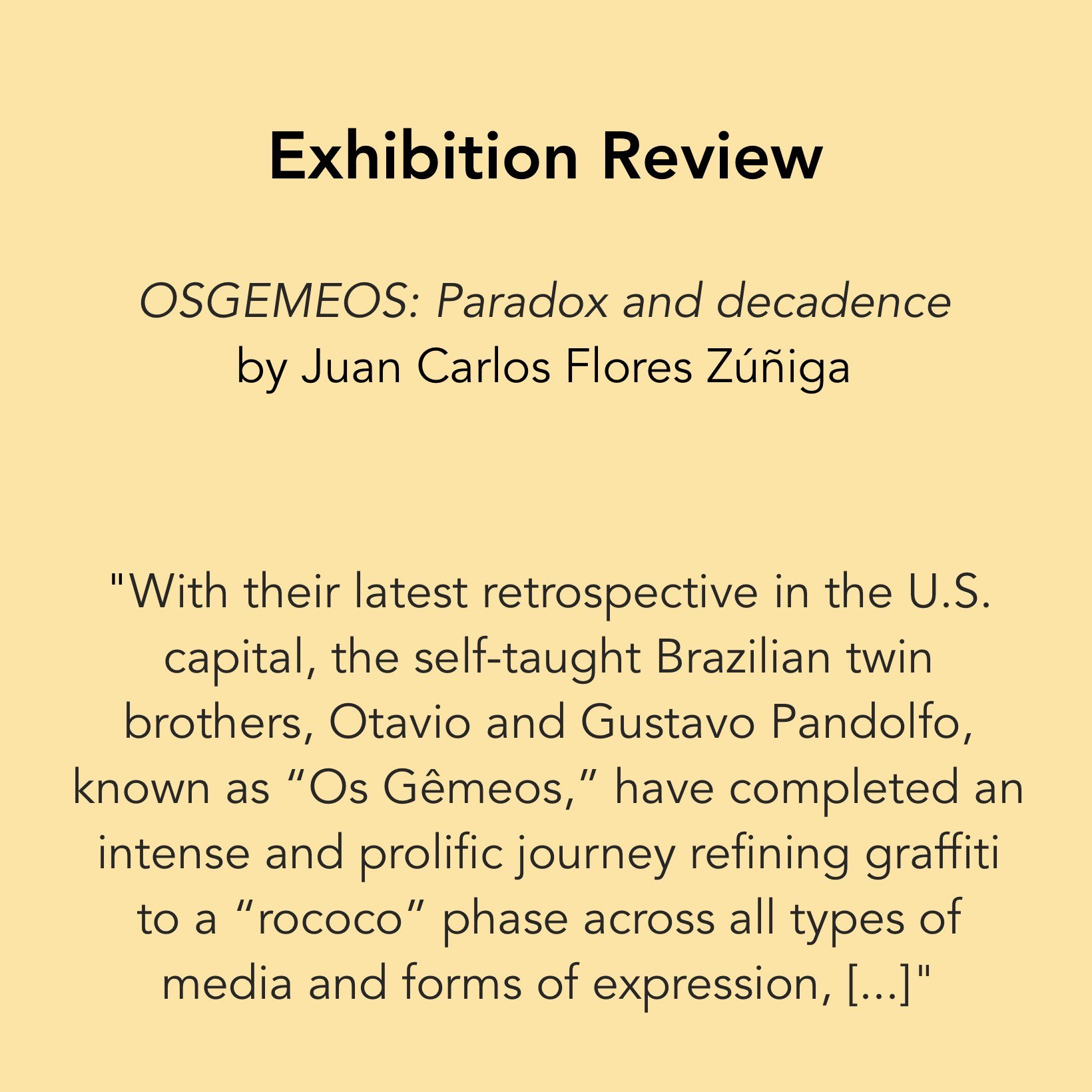
David Bundy reviews, 1898 – Visual Culture and U.S Imperialism in the Caribbean and the Pacific which documents the year (1898) when the USA trounced Spain in a three month war and acquired an overseas empire, taking political control of the Philippines, Guam, and Puerto Rico as colonies, annexing the Hawaiian Islands, and ruling Cuba with a military government. Jean Bundy reviews, Pigments as a good place to begin understanding color theory and realizing that past civilizations figured out how to communicate using color, long before Newton played with rainbows at Cambridge. Bundy also reviewed, Plastics which explains the ambiguities of this pigment-loaded material, which for artists and conservators becomes an asset. Claudio Rafael Almeida de Souza discusses, ‘The Museum of Sexuality of the Gay Group of Bahia’ which displays erotic ceramics from ‘northeastern Brazil’ and erotica from other countries. While working on expanding its collections and library, it holds lectures on the ‘prevention of AIDS and Sexually Transmitted Diseases’. Duygu Güles Kӧkek visited the Carrara Italy studio of sculptor Ümit Turgay Durgun “[witnessing] his ability to work…using specialized tools…and a wide variety of materials such as marble, hard stones…wood, steel, aluminum, metal sheets, bronze, and clay, and how he incorporates them into his sculptures according to their context.” Kӧkek addresses, “the 20th century, [where Constructivist] sculpture broke free from its pedestal…and [the] understanding of space in sculpture…changed entirely.” Sofiia Lisman writes, “Contemporary art has become a commodity circus – a dazzling carousel where logos replace symbols and marketing eclipses meaning….The art world, intoxicated by its own marketability, no longer asks--what does it mean? but will it sell?” Carlos Perktold, writes about Paul Gauguin (1848) [who] “inherited the genetic and modeling assets of sociopathy [from his] grandparents, parents [and his] great-uncle …. [But] Paul also inherited [their] talent, intelligence, grit, determination, and brilliance.” Aroma Rodrigues, “draws from field-style observation, speculative thinking, and a fascination with how people relate to place, power, and pattern.... [thus she favors] messy layered, and relational truths.” Milla Tarabanova writes, “The question of re-thinking the Global South as in the paradigm North-South, West-East countries and cultures is not a new one….Reconstructing the narrative of world history by adding to its stories and perspectives enforced with the eloquence and the artistic, contemplative and emotional impact of art may very well help crumble the cemented roads of dominant historical accounts.” Juan Carlos Flores Zúñiga critiqued OSGEMEOS:Endless Story (Hirschhorn Museum, thru August 3,2025) a retrospective of “the self-taught Brazilian twin brothers, Otavio and Gustavo Pandolfo, [who] have completed an intense and prolific journey refining graffiti to a ‘rococo’ phase.” Zúñiga poses, “do graffiti, in particular, and street art, in general, remain countercultural when sanctioned by public institutions and displayed in museums?”